

Commercial Pickup Truck Leasing in 2026: What to Look For When Leasing a Work Truck
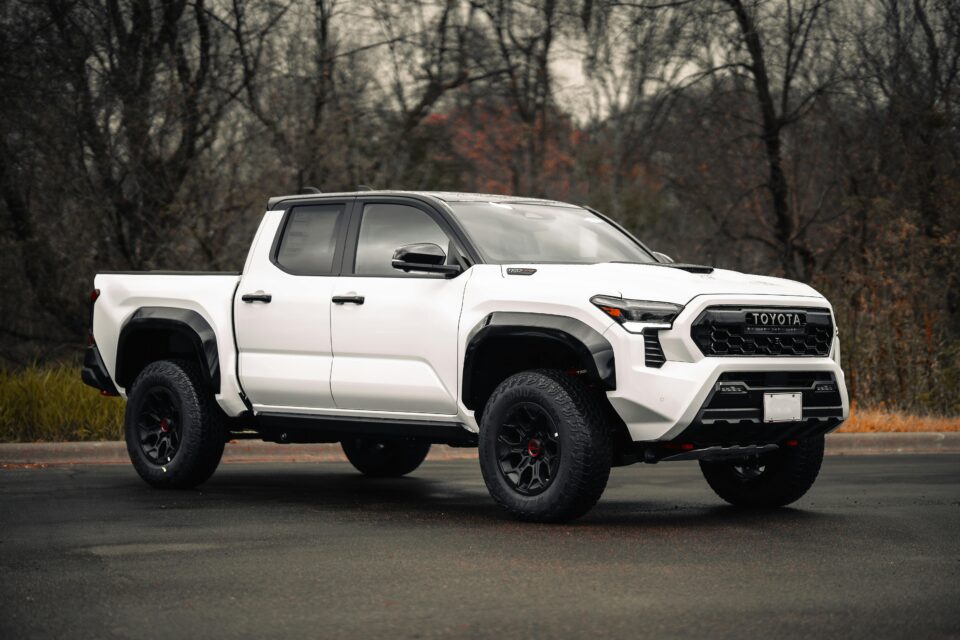
Commercial Truck Leasing offers many benefits for businesses compared to outright purchases. Leasing provides financial flexibility and access to the latest technology. And leasing allows businesses to upgrade to newer models frequently.
This guide will explore the best commercial pickup truck models to lease and what you need to know to enhance your fleet in 2026.
Key Takeaways
- Leasing preserves cash flow, provides predictable expenses, and makes it easier to upgrade your fleet every 2–5 years.
- Learn how to choose the best possible vehicles for your fleet – because the right model can increase productivity.
- A fleet leasing partner can negotiate better pricing and incentives, handle upfitting, and simplify multi-vehicle management.
Why Leasing a Work Truck Makes Sense in 2026
The case for leasing has only gotten stronger. The average price of a new full-size truck now exceeds $66,000. For businesses that need capable, reliable trucks but don’t want to tie up large amounts of capital, leasing a work truck offers a compelling alternative.
For a deeper look at how leasing stacks up against buying for your specific business situation, check out our guide to leasing a truck for your business. Looking for Cargo Vans? We also have a blog about that.
How to Find the Best Truck to Lease for Your Business:
When evaluating your options, focus less on raw specs and more on how each truck performs in your actual day-to-day operations. Core factors your business should consider include:
- Payload and towing capacity
- Cab configuration based on crew size
- Fuel type and economy
- Upfitting ease
- Driver comfort and safety technology
- Residual value
Beyond the vehicle itself, the right work truck also needs to fit your budget and fleet lifecycle strategy. Working with a fleet leasing partner can make a major difference in your total cost of ownership over the life of each vehicle.
Best Commercial Pickup Trucks to Lease in 2026
Different business models require different strengths from their fleet. It helps to think in terms of what workers actually do each day rather than chasing a single “best” commercial truck model for every situation.
Many fleets end up with a blended approach, using full-size trucks for heavy hauling and a midsize option for light-duty runs or urban routes.
1. Ford F-150
The F-150 remains America’s best-selling vehicle for a reason. With an available Pro Power Onboard generator, aluminum body construction, and a payload of up to 2,000 lbs (depending on configuration), it’s built for the job site. The XL and XLT trims are especially popular for commercial fleets due to their competitive lease pricing and available fleet incentives.
2. Ram 1500
If your drivers spend long hours behind the wheel, the Ram 1500 stands out for ride quality and interior comfort. It features an air suspension system and one of the segment’s most refined cabins. Payload and towing specs are competitive, and Ram frequently offers strong commercial incentives.
3. Chevrolet Silverado 1500
The Silverado offers excellent towing capacity and a broad range of trim levels tailored to commercial buyers. Chevy’s fleet program makes it easy to configure multiple vehicles consistently, and the available Duramax diesel engine provides an efficient option for high-mileage applications.
4. GMC Sierra 1500
Sharing its platform with the Silverado, the Sierra differentiates itself with upscale trims and GMC’s ProGrade Trailering System. The MultiPro tailgate is one of the most functional in the segment, and the AT4 trim makes it capable off-road. A strong choice for businesses that want a professional image alongside real-world work capability.
5. Toyota Tacoma
For businesses that don’t need full-size capacity, the Tacoma offers an exceptional balance of maneuverability, durability, and low cost of ownership. Toyota’s reliability record is well-documented, and the Tacoma holds its residual value better than most trucks.
6. Ford Ranger
The Ranger is a smart choice for businesses that want a capable work truck without the full-size price tag. It navigates urban environments easily, and the turbocharged four-cylinder engine delivers solid fuel economy, a meaningful factor when managing a multi-truck fleet.
Not sure whether a compact or full-size fits your operation better? Our breakdown of the
5 best small work trucks is a helpful read if you’re weighing midsize options for your fleet.
H4: Quick Comparison: Best Trucks to Lease in 2026
| Truck Model | Payload~ | Towing Cap. | Best For |
| Ford F-150 | 2,000 lbs | 13,000 lbs | Best overall value; most popular |
| Ram 1500 | 2,320 lbs | 12,750 lbs | Smooth ride; great for longer drives |
| Chevy Silverado 1500 | 2,280 lbs | 13,300 lbs | Strong towing; fleet-friendly trim levels |
| GMC Sierra 1500 | 2,240 lbs | 13,200 lbs | Premium options; ProGrade work features |
| Toyota Tacoma | 1,440 lbs | 6,800 lbs | Best midsize; strong resale & reliability |
| Ford Ranger | 1,560 lbs | 7,500 lbs | Compact, fuel-efficient, city-friendly |
Should You Lease or Buy Your Next Work Truck?
Business fleet leasing gives you the flexibility to tailor each vehicle to your company’s exact needs while keeping monthly costs low and predictable.
Unlike purchasing, leasing keeps financing off your balance sheet, reduces administrative overhead, and enforces fleet standards that drive down acquisition costs over time.
From a maintenance standpoint, leased vehicles are cycled regularly. This means your fleet stays fresh, repair costs stay low, and your drivers aren’t stuck behind the wheel of an aging truck. When it’s time to move on, your lessor handles the process, saving you the time and expense of offloading vehicles yourself.
Advantages of a Vehicle Leasing Program
Here’s how leasing compares to purchasing:
| Lease Program | Purchasing | |
| Monthly Cost | Low, fixed payments | Capital-intensive |
| Cash Flow | Flexible | High budgeting costs |
| Fleet Maintenance | Vehicles cycled regularly, lower costs | Vehicles kept too long, higher costs |
| Vehicle Disposal | Lessor handles | Time-consuming and expensive |
| Balance Sheet | Off-balance sheet financing | Affects your bottom line |
To learn more, see our fleet leasing page.
When to Work With a Fleet Leasing Partner
If you’re managing more than one or two vehicles, the complexity of coordinating multiple leases makes a fleet leasing partner worth serious consideration.
A commercial fleet leasing provider can offer:
- Volume pricing and manufacturer fleet incentives
- Turnkey delivery with upfitting already completed
- Centralized fleet management, including GPS tracking and maintenance programs
- Simplified title and registration handling across multiple vehicles
- Accident management and vehicle cycling services
These services meaningfully reduce your per-vehicle cost and administrative burden, especially as your fleet grows past 5–10 units. Use our Fleet Cost Calculator to get a better idea of how a Fleet Leasing Partner could help your business.
Frequently Asked Questions
With a closed-end lease, you simply return the truck and walk away, provided it’s within mileage limits and in good condition. With an open-end lease, the vehicle is appraised. If the market value exceeds the residual value, you may receive a credit. If it’s lower, you may owe the difference. Most fleet operators simply cycle into a new lease at this point.
Yes, with some conditions. Most commercial leases allow upfitting, but you should document all modifications and confirm whether they need to be removed at lease end. Many fleet providers offer turnkey upfitting as part of the acquisition process, which simplifies this considerably.
Ready to Put the Right Truck to Work?
Ewald Fleet Solutions specializes in commercial fleet leasing, vehicle upfitting, and fleet management services designed for businesses that depend on their trucks. Contact us for a free fleet evaluation and find out how we can structure a commercial fleet that fits your operation and your budget.